
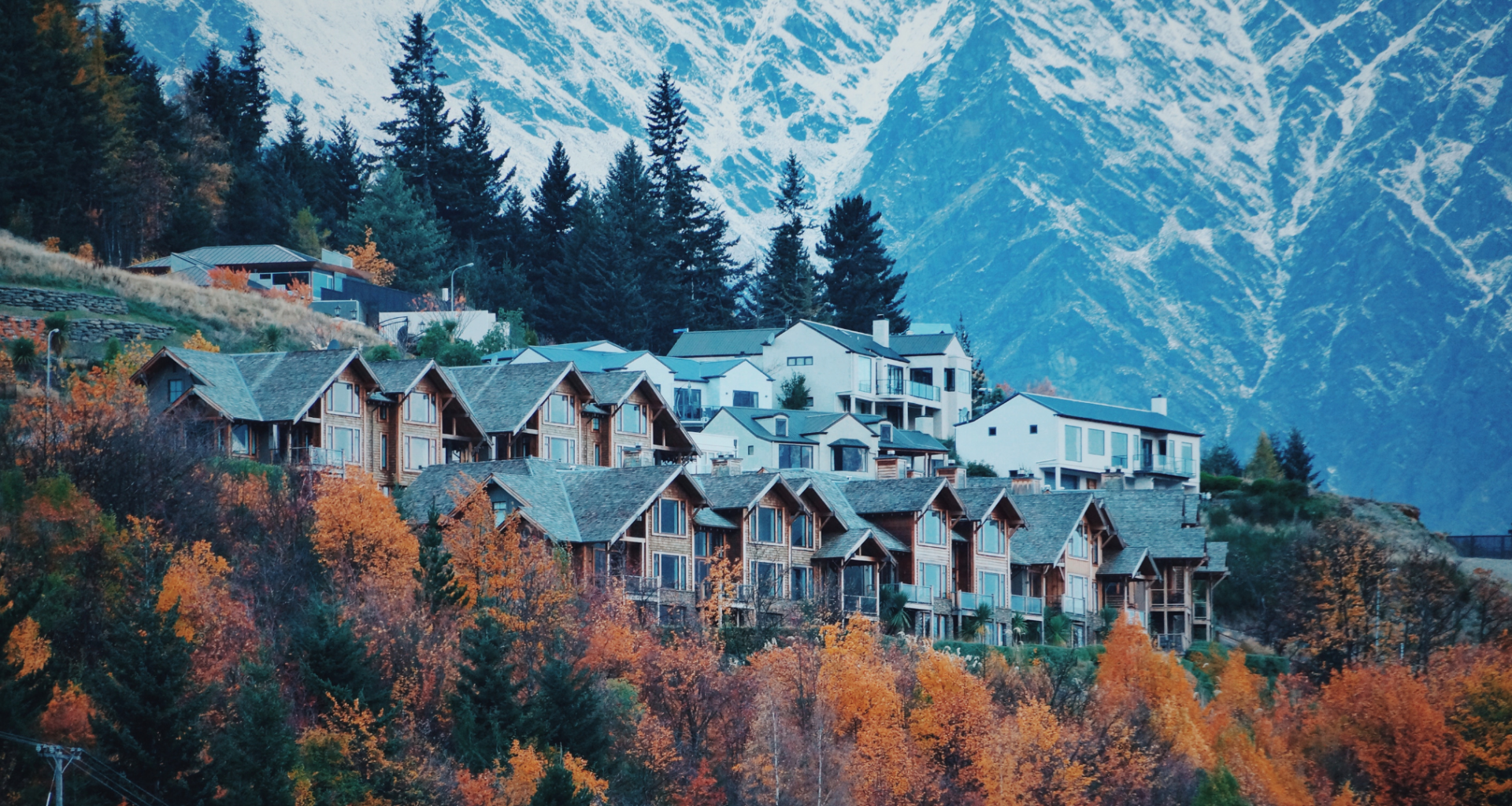
Home should be where you can relax. When tension develops with the person living next door or down the driveway, that gets hard to do. Everyday moments become stressful: pulling into the drive, stepping into the back garden, or hearing footsteps next door. When relations break down, minor irritations turn into long-standing grievances, and communication reduces to angry notes, formal council complaints, or complete silence.
Mediation offers a practical way forward. Neighbour disputes mediation gives both sides a neutral, structured setting to raise the issues and work out sensible ground rules for living near each other. ResolveWell works with residents, property owners, residents’ associations and community organisations across New Zealand.
If you can’t face being in the same room
What puts most people off is the thought of sitting across from each other. If there’s been yelling over the fence, persistent hostility, or months of cold avoidance, the idea of having a conversation feels daunting. You might worry that sitting down together will just lead to another argument, or that the other person will dominate the discussion.
Meeting face to face is often the most effective way to reach an arrangement that lasts, but nobody is put into a confrontation. This is how we keep the process manageable:
- Separate conversations first: We speak with each party separately before any joint discussion takes place. This gives you time to explain your concerns plainly, without the other person present, so we understand what really matters to you.
- Ground rules: The mediator manages the discussion so everyone gets uninterrupted time to speak, personal insults are stopped immediately, and the focus remains on finding practical solutions.
- Separate spaces when necessary: If emotions are running too high to share a room immediately, we can start with shuttle mediation. You stay in separate rooms or separate online breakout spaces, while the mediator moves between you to carry proposals back and forth. If things settle down and both sides feel ready, you can come together later in the session.
- Online from home: If being in the same place feels too uncomfortable, or one of you has moved away, you can take part online from home.
Common neighbour disputes we can help you resolve
Living close to other people brings friction. Councils and the police deal with some of it, such as excessive noise or dangerous dogs, but many disagreements between neighbours are civil matters that neither can resolve.
We help with disputes about:
- Boundary fences and retaining walls: Disputes over who pays for replacements, fencing notices, height, style, or damage caused by earthworks and maintenance.
- Trees, overhanging branches, and hedges: Blocked sunlight, obstructed views, root intrusion, leaf litter, and arguments over pruning costs.
- Shared driveways and access ways: Arguments over parking, blocked access, vehicle speeds, and sharing the cost of grading, sealing, or gate repairs.
- Noise and lifestyle friction: Ongoing disturbances from heat pumps, loud music, workshop machinery, barking dogs, or late-night gatherings.
- Everyday annoyances: Smoke from woodburners or backyard braziers, pets wandering onto neighbouring property, security lights shining into bedrooms, and bins left obstructing shared property.
- Community and resident groups: Conflicts within residents’ associations, community sports clubs, volunteer committees, and bodies corporate over shared funds, rules, or personality clashes.
How mediation compares with the Disputes Tribunal or court
When a neighbour won’t budge, legal action can look like the only option left, and sometimes it is. The Disputes Tribunal and the courts can rule on a specific legal claim, such as who pays for a fence or for damage, and make orders that can be enforced. If your neighbour won’t engage, or you feel unsafe, that’s the route to take, with the police involved where there are threats or harassment.
A referee or judge decides the claim in front of them. They can’t repair the relationship, and after the hearing you still have to drive past their gate and hang your washing on the other side of the fence.
Where both neighbours are willing to talk, mediation can do things a ruling can’t:
- Day-to-day peace: Because you both agree the outcome, there’s no winner and loser, and you end up with an arrangement each of you can live with.
- Practical arrangements: You can agree on practical, everyday arrangements that a court may not order, such as setting agreed quiet hours, trimming a hedge to a specific height, or allocating specific parking spots on a shared driveway.
- Privacy: Mediation is confidential, and what you agree stays between you.
- Potential restoration of relationships: In many cases, mediation leads to the rebuilding of relationships which had been thought to have been damaged beyond repair.
Working with Mark Sinclair at ResolveWell
Neighbour disputes are personal, and they need patience and common sense from the mediator.
ResolveWell is led by Mark Sinclair. Mark has experience in commercial litigation, civil disputes and in a wide range of communications and relationship issues. He understands how easily a small misunderstanding can grow into a long-running dispute, and helps people get past their anger to a workable compromise.
Mark facilitates sessions throughout New Zealand, meeting parties in person at local neutral venues or via secure online video mediation.
Frequently asked questions about neighbour disputes
What if my neighbour is aggressive or unreasonable?
Many people believe their neighbour is impossible to talk to because every past interaction ended in anger. In mediation the setting is different. The mediator sets clear boundaries, stops aggressive behaviour, and keeps the conversation on practical solutions. If necessary, you can stay in separate rooms throughout. If you’ve been threatened or feel unsafe, tell us at the start, and contact the police. Mediation isn’t suitable for every situation.
What if the other person refuses to participate?
Mediation is voluntary, so both sides must agree to attend. People often turn down a first invitation because they expect a lecture or pressure to admit fault. We can contact your neighbour ourselves to explain that the process is impartial and confidential, and that it’s a way to end the stress for them too.
How do we get started?
Call or email us. We’ll talk through what has been happening, tell you whether we think mediation is suitable, and discuss how best to approach your neighbour. We can also discuss likely costs, before you commit to anything.
Is an agreement reached in mediation binding?
It can be. When you reach agreement, the terms are written down and signed, and a signed settlement agreement is generally binding as a contract. For simple arrangements that’s usually all that’s needed. If the dispute involves property rights such as an easement, or significant cost, we’d suggest each of you has a lawyer check or formalise the agreement to ensure that it is final and binding.
Find out whether mediation could help
Contact ResolveWell for a confidential, no-obligation conversation about resolving your neighbour or community dispute.